
Table of Contents
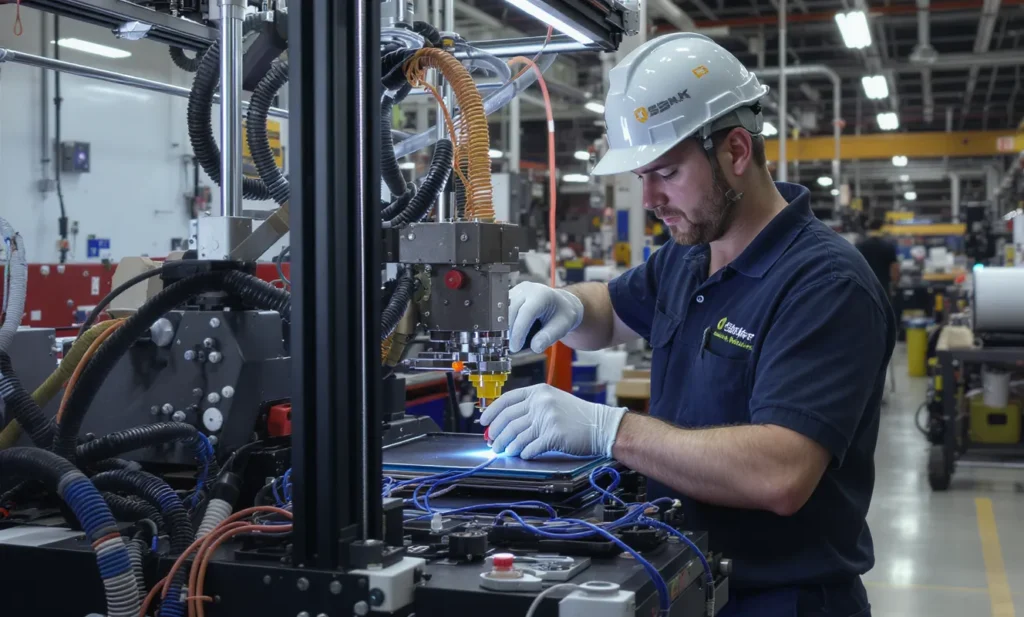
Industrial 3D Printer Maintenance for Continuous Operation
Industrial 3D printing has become a cornerstone of modern manufacturing in Australia, delivering precision, speed, and versatility for prototyping, tooling, and production-grade parts. Yet, even the most advanced RatRig V-Core systems or IDEX dual extrusion printers can suffer downtime if industrial 3D printer maintenance is overlooked. For industrial engineers, manufacturing professionals, and technical educators, the difference between smooth, continuous operation and costly interruptions often comes down to disciplined upkeep.
In this guide, we’ll explore the best practices for industrial 3D printer maintenance, focusing on FDM printer reliability, predictive care strategies, and actionable tips tailored to Australian industry standards.
For industrial-grade FDM, reliability is not just about the printer’s mechanics, it’s about an integrated ecosystem of sensors, analytics, and operator skill.
Daily and Shift-Based Industrial 3D Printer Maintenance
Industrial 3D printers often operate for extended periods, sometimes 24/7. Daily checks ensure that wear and tear is caught early:
- Nozzle and Extruder Inspection: Remove filament residue promptly to prevent clogs.
- Bed Leveling Verification: Whether using automated systems or manual checks, consistent first-layer adhesion is critical.
- Lubrication of Linear Rails: Use manufacturer-approved lubricants to minimize friction.
Predictive maintenance data shows that these simple actions can reduce unexpected downtime by up to 15%.
| Maintenance Task | Frequency | Impact |
|---|---|---|
| Nozzle cleaning | Daily | Prevents clogs |
| Bed leveling | Daily | Ensures adhesion |
| Rail lubrication | Daily | Reduces friction |
The table above highlights tasks that may seem small but have a large cumulative effect over time. In practice, operators should incorporate these checks into their shift changeover routines. For example, in a facility running three shifts per day, each incoming operator can spend five minutes inspecting the nozzle and wiping away residue with a brass brush or approved cleaning filament. Bed leveling should be verified before starting high-value print jobs, as even a 0.1 mm deviation can lead to warping or poor adhesion. Lubricating rails daily helps counteract dust accumulation in open-frame printers and ensures smooth motion, which is critical when printing at speeds above 150 mm/s. In harsh environments such as mining equipment prototyping workshops, these daily interventions can prevent costly interruptions where a single failed print could mean hours of lost productivity.
Weekly Industrial 3D Printer Maintenance for Reliability
Weekly upkeep addresses components that degrade more slowly but still influence print quality:
- Filtration System Cleaning: Especially vital for enclosed printers operating at high temperatures.
- Firmware & Software Updates: Maintain compatibility with AI-driven optimization features.
- Check Belt Tension: Loose belts can cause layer shifting, especially during high-speed printing.
Regular belt inspections are particularly important for high-speed operations. In industrial environments, belts can loosen due to thermal expansion and mechanical stress. Cleaning the filtration system weekly not only improves air quality within the printer enclosure but also ensures stable thermal conditions, reducing the risk of print defects in engineering-grade polymers like ABS or nylon. Firmware and software updates should be performed after verifying compatibility with existing production workflows to avoid unexpected changes in print behavior. A 2023 survey of Australian additive manufacturing firms found that 64% of print quality issues traced back to overlooked belt tension and outdated firmware. By dedicating a set maintenance window each week, often during low production demand, companies can standardize these checks, keeping machines aligned with both mechanical and digital performance expectations.
AI-driven predictive maintenance, coupled with robust quality standards, is transforming industrial 3D printing from a reactive process to a proactive, continuous operation system.
Monthly Industrial 3D Printer Maintenance and Preventive Care
Monthly routines focus on precision-critical components:
- Hotend Replacement or Cleaning: Maintains extrusion quality for tight-tolerance parts.
- Sensor Calibration: Temperature, humidity, and bed alignment sensors should be recalibrated to avoid print inconsistencies.
- Electrical Connection Inspection: Prevent intermittent failures from loose or corroded contacts.
Australian manufacturing facilities using RatRig V-Core systems often pair monthly maintenance with production cycle reviews, ensuring that machine performance aligns with output quality goals. For example, hotend cleaning can be done using ultrasonic baths to remove stubborn carbonized filament, while sensor calibration should be performed using certified reference instruments to meet ISO 9001 quality standards. Electrical connection inspections are particularly important in coastal Australian environments where salt air can accelerate corrosion. Documenting each monthly intervention in a central log allows engineers to track component wear trends, enabling better long-term planning for part replacements.
For those running dual extrusion setups, reviewing calibration procedures is essential. The IDEX system installation and calibration guide offers step-by-step instructions to maintain multi-material precision. In multi-material production, even slight misalignments between extruders can cause defects such as bleeding between colors or materials, making monthly recalibration a key quality safeguard.
Advanced Predictive Industrial 3D Printer Maintenance Strategies
Emerging AI-driven tools now analyze real-time sensor data and historical performance logs to forecast part wear. Predictive analytics can:
- Reduce downtime by up to 30%
- Extend machine lifespan by 20%
- Optimize maintenance schedules to avoid interrupting production
| Metric | Improvement | Source |
|---|---|---|
| Downtime reduction | 30% | ATS Industrial Maintenance Trends 2025 |
| Machine lifespan | +20% | ATS Industrial Maintenance Trends 2025 |
These gains are particularly relevant to Australian microfactories and localized manufacturing hubs, where uptime directly affects profitability. Predictive maintenance systems can integrate with IoT-enabled printers to monitor vibration signatures, extrusion flow rates, and temperature consistency in real time. For example, a sudden increase in motor vibration amplitude might signal bearing wear, prompting a scheduled replacement before failure occurs mid-production. Case studies from advanced aerospace prototyping facilities in Melbourne show that predictive algorithms have cut unplanned downtime by nearly one-third, while also reducing maintenance costs by identifying optimal replacement intervals. As AI models become more sophisticated, they can even adapt to seasonal changes in humidity or temperature that affect polymer behavior, making them an indispensable tool for facilities aiming for continuous operation.
Sustainability in Industrial 3D Printer Maintenance
Sustainability is increasingly shaping maintenance practices:
- Using low-carbon filaments to minimize environmental impact.
- Implementing waste-reducing print strategies.
- Recycling failed prints and support materials.
Integrating these approaches ensures compliance with environmental regulations and aligns with corporate sustainability goals. In practice, this can mean scheduling print jobs to maximize bed utilization, thus reducing excess support structures, or investing in on-site filament recyclers that convert failed prints into usable material. Some Australian manufacturers have adopted closed-loop recycling systems, allowing them to reduce raw material purchases by up to 25% annually. Furthermore, selecting maintenance lubricants and cleaning agents with low environmental toxicity helps minimize hazardous waste disposal costs. By embedding sustainability into routine maintenance, such as using biodegradable cleaning wipes for nozzle maintenance, companies not only improve their environmental footprint but also enhance brand reputation in markets increasingly driven by eco-conscious procurement policies.
Implementation Guide for Industrial 3D Printer Maintenance in Australian Industry
To embed maintenance best practices into daily operations:
- Adopt Predictive Maintenance Tools: Invest in AI-powered monitoring.
- Train Operators in Preventive Care: Skills directly influence reliability.
- Integrate IoT & Remote Diagnostics: Networked printers enable real-time oversight.
- Schedule Maintenance During Low-Demand Hours: Avoid disrupting production cycles.
- Document Every Intervention: Build a robust maintenance log.
For teams working with advanced dual extrusion setups, our IDEX calibration resource provides practical guidance. Australian industry leaders often create maintenance SOPs (Standard Operating Procedures) tailored to their production schedules, ensuring consistency across shifts. Training programs can include both hands-on workshops and digital modules, allowing operators to recognize early warning signs such as inconsistent extrusion or unusual mechanical noise. IoT integration enables remote diagnostics, which is especially valuable for companies managing multiple facilities across different states. By scheduling preventive tasks during low-demand hours, such as overnight or weekend windows, manufacturers can minimize the impact on production throughput. Maintaining a detailed intervention log not only supports warranty claims but also aids in data-driven decision-making for equipment upgrades.
Conclusion on Industrial 3D Printer Maintenance
Continuous operation of industrial 3D printers is not simply about having the best equipment, it’s about disciplined, proactive industrial 3D printer maintenance. From daily nozzle cleaning to monthly sensor calibration, each step contributes to reliability and print quality.
By adopting predictive maintenance, integrating IoT diagnostics, and aligning with sustainability goals, Australian manufacturers can ensure their FDM printers deliver consistent, high-speed output. The combination of advanced tools, skilled operators, and structured upkeep transforms industrial 3D printing from a reactive process into a stable, profitable production system.
Whether you’re running a RatRig V-Core for precision prototyping or an IDEX dual extrusion setup for complex multi-material parts, the principles outlined here will help you achieve continuous, reliable operation, day after day. In a competitive manufacturing landscape where downtime can cost thousands per hour, these industrial 3D printer maintenance strategies serve as both a quality assurance framework and a profitability safeguard. By institutionalizing these practices, Australian industry users can position themselves at the forefront of additive manufacturing excellence, ensuring that every print meets the highest standards without sacrificing operational efficiency.
