Heated Bed Surface Comparison: Glass, PEI, and Magnetic Plates
What is a Heated Bed Surface?
A heated bed is a flat platform that warms up while you print. The heat helps the printed plastic stick to the surface during the first layers, reducing warping and improving overall quality. The surface itself – the material that directly contacts the filament – can be glass, a polymer sheet such as PEI, or a magnetic plate with a removable top layer. Each type has its own feel, maintenance routine and impact on print adhesion.
Glass Bed
Glass is a classic choice because it is smooth, flat and easy to clean. When you heat a glass plate, it expands slightly, creating a uniform surface that many filaments love. The main advantage is its predictability – a clean piece of glass will give you a level platform every time. However, the very smoothness can be a double‑edged sword. Some plastics, especially those that shrink a lot, may not cling well to plain glass. Users often apply a thin layer of glue stick, hairspray or a specialised adhesive sheet to boost adhesion.
Glass is also fragile. If you accidentally bump the printer or drop a heavy print, the plate can crack. Replacing a glass bed is cheap but can be inconvenient if you need a precise fit. For beginners, glass works well if you are willing to experiment with a light adhesive and keep an eye on the surface for scratches.
PEI Bed
PEI (Polyetherimide) is a durable polymer that has become popular for its excellent adhesion properties. A PEI sheet can be placed directly on a heated bed or on a metal plate. When the bed is heated, the PEI surface becomes slightly tacky, allowing most common filaments – PLA, PETG, ABS and even TPU – to stick without extra glue. The key benefit is the reduced need for additional adhesives, which simplifies the workflow.
PEI is also more resistant to scratches than glass, so it can survive many prints before showing wear. Over time, a thin layer of filament may build up, which can be gently removed with a scraper. If the surface becomes too glossy, a light sanding with fine grit paper restores its stickiness.
One downside is that PEI can be a bit too sticky for certain filaments, causing prints to stick so well that they may damage the plate when removed. In those cases, lowering the bed temperature or using a thin layer of a release agent can help.
For those who want a reliable, low‑maintenance surface, a PEI option is worth considering. You can try a dedicated PEI build plate such as the PEI Build Plate For Bambu Lab 3D Printer X1 / P1 / A1 /A1 Mini - X1 P1 A1.
Magnetic Build Plate
Magnetic plates consist of a magnetic base that attaches to the heated bed and a removable top layer that can be swapped out. The top layer is often a flexible sheet with a textured surface that provides good adhesion while allowing the printed part to be peeled off easily. The magnetic system makes changing the build surface quick – simply lift the plate, let the print cool, and pop it off.
Because the top layer is replaceable, you can keep a spare for when one becomes worn. Some magnetic plates also come with dual‑textured surfaces, offering a smooth side for delicate prints and a textured side for tougher materials. This versatility is handy for beginners who want to experiment with different filaments without buying multiple plates.
The main consideration is that the magnetic base must be firmly attached to the heated bed to avoid any movement during printing. A loose connection can lead to ghosting or layer shifts. As long as the base is secure, magnetic plates provide a convenient, low‑maintenance solution.
An example of a versatile magnetic build plate is the BIQU Panda BuildPlate Designer Series Dual-textured 3D Printing Build Plate with Honeycomb & Houndstooth Patterns for Bambu X1/P1/A1 Printers, which offers two textures in one plate.
Choosing the Right Surface for You
When deciding between glass, PEI and magnetic plates, think about three practical factors:
- Adhesion needs: If you print a lot of ABS or PETG, a PEI surface usually gives the most reliable first‑layer grip without extra glue. For PLA and hobby‑level prints, glass with a light adhesive works fine.
- Maintenance and durability: Glass can chip, PEI can wear, and magnetic plates can lose magnetism over many cycles. If you prefer a surface you can swap out quickly, a magnetic plate is the most convenient.
- Ease of part removal: Magnetic plates shine here – the flexible top layer lets you pop prints off without tools. PEI may need a scraper, and glass often needs a spatula and a bit of patience.
Many beginners start with a glass plate because it is inexpensive and easy to set up. As you gain confidence and start printing a wider range of materials, upgrading to a PEI sheet or a magnetic system can save time and reduce frustration.
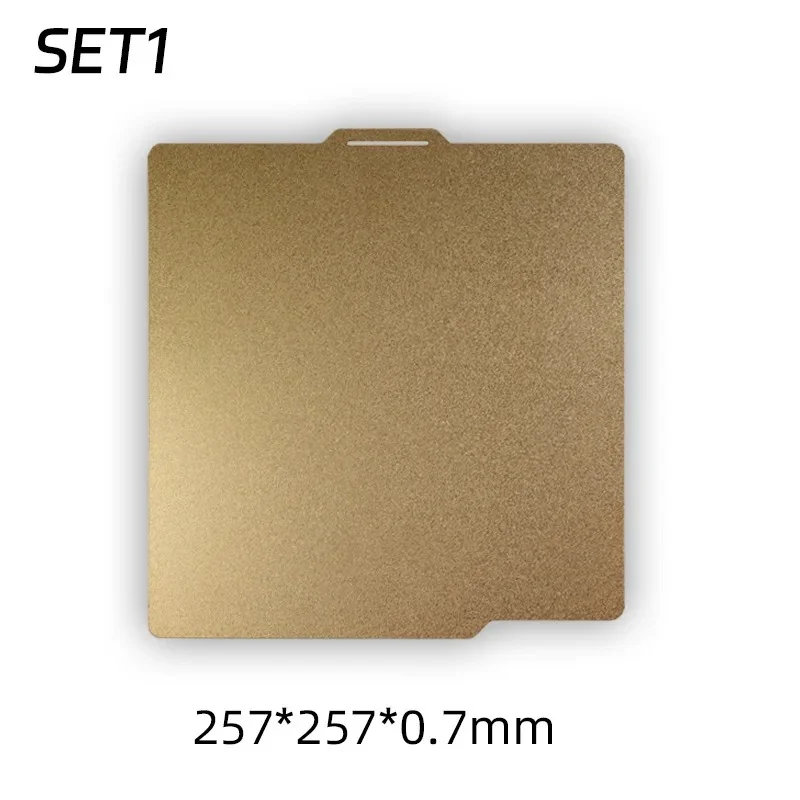
If you want a durable, all‑round performer, consider the BIQU Panda Buildplate 257MM*257MM Double-CryoGrip Textured Coating Steel Sheet, Durable and Heat-resistant Build Plate for Bambu Lab P1P/P1S/X1C/A1 Printers. Its steel core provides excellent heat distribution, while the textured coating helps with adhesion.
Final Thoughts
All three heated bed surfaces – glass, PEI and magnetic plates – can produce great prints when used correctly. Glass offers simplicity and a flat surface, PEI gives strong adhesion with minimal extra steps, and magnetic plates provide quick swaps and easy part removal. Your choice should match your printing habits, the filaments you use most, and how much time you want to spend on bed maintenance. Experiment with one, note how it feels, and don’t be afraid to switch if another surface better suits your workflow. Happy printing!
Featured in this post
PEI Build Plate For Bambu Lab 3D Printer X1 / P1 / A1 /A1 Mini - X1 P1 A1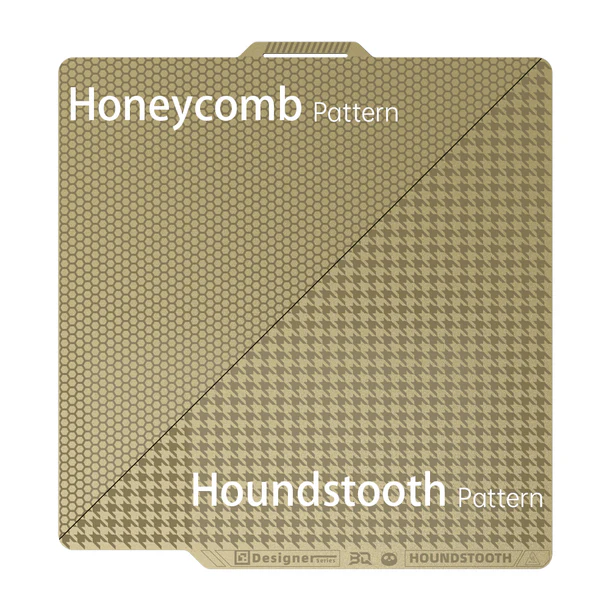
BIQU Panda BuildPlate Designer Series Dual-textured 3D Printing Build Plate with Honeycomb & Houndstooth Patterns for Bambu X1/P1/A1 Printers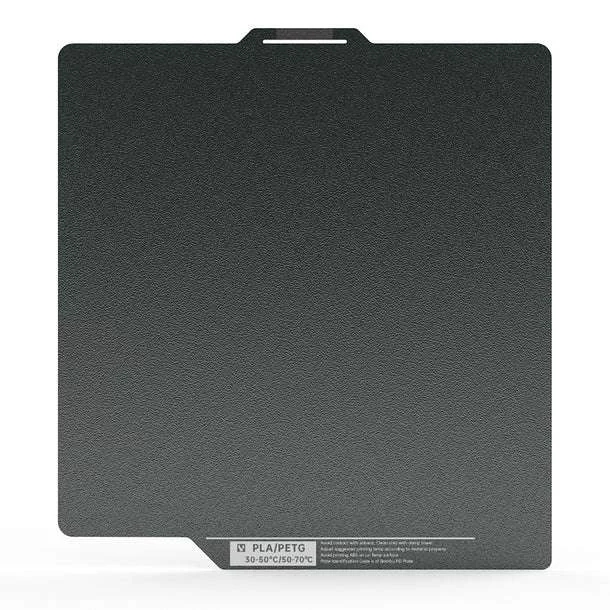
BIQU Panda Buildplate 257MM*257MM Double-CryoGrip Textured Coating Steel Sheet, Durable and Heat-resistant Build Plate for Bambu Lab P1P/P1S/X1C/A1 Printers