Choosing the Right Filament for Outdoor and UV‑Resistant Prints
Understanding Outdoor Demands
When a print is destined for a garden bench, a patio sign or a roof‑mounted bracket, it faces more than just the usual heat of the printer. Sunlight, rain, temperature swings and even wind‑driven dust can stress the material. The term outdoor filament simply means a polymer that can tolerate those conditions without becoming brittle, discolouring or losing dimensional stability.
UV Resistance Basics
Ultraviolet (UV) light breaks down the chemical bonds in many plastics, a process called photodegradation. Over time this can cause colour fading, surface chalking and loss of strength. A filament marketed with UV resistance contains additives that absorb or reflect UV photons, slowing the breakdown. While no plastic is completely immune, UV‑stable filaments can extend a print’s life from weeks to years in direct sunlight.
Comparing PETG and ASA
Two of the most common choices for outdoor projects are PETG and ASA. Both are easy to print, but they behave differently under the sun.
PETG
PETG is known for good layer adhesion and low warping, making it beginner‑friendly. It offers decent moisture resistance, but its natural UV resistance is limited. In prolonged sun exposure PETG may yellow and become slightly brittle over time.
ASA
ASA (Acrylonitrile Styrene Acrylate) was developed as a UV‑stable alternative to ABS. It retains colour, resists cracking and maintains impact strength even after many months outdoors. For projects where colour fidelity and long‑term durability matter, ASA is often the safer bet.
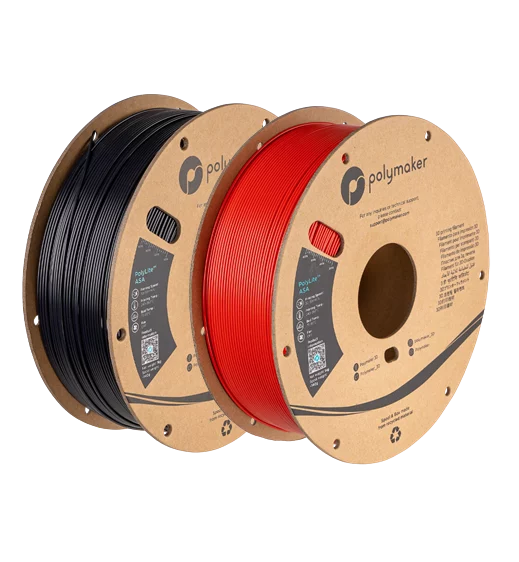
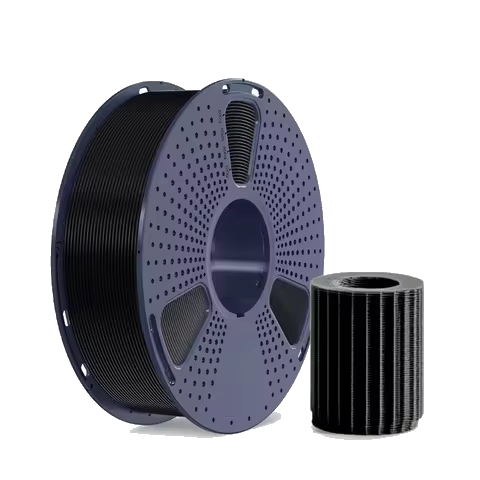
Both materials can be sourced from reputable suppliers. For example, you might consider SUNLU ASA 1kg 1.75mm Filament - Black or PolyLite ASA 1kg 1.75mm Filament - Black when you need a reliable outdoor filament.
Choosing the Right Filament
Here are the key questions to ask yourself during filament selection:
- Exposure level: Will the part sit in direct sunlight all day, or be shaded most of the time?
- Mechanical demands: Does it need to bear load, resist impact, or simply act as a decorative element?
- Colour stability: Is colour fading a concern for your project?
If the answer to any of these leans toward high exposure or load, ASA is usually the better choice. For low‑stress, mostly indoor‑to‑outdoor transitions, PETG can be sufficient and may be easier for a beginner to dial in.
Practical Tips for Weatherproof Printing
Even the best filament can suffer if the printer isn’t set up correctly. Follow these general practices:
- Keep the filament dry: Moisture can cause bubbling and weaken the final part. Store spools in a sealed container with desiccant.
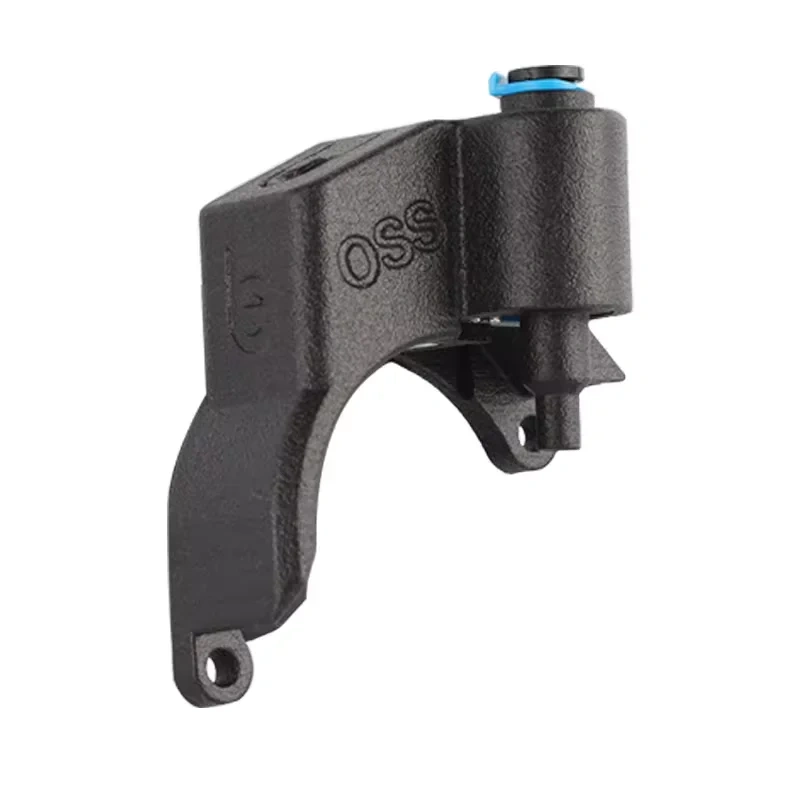
- Use a reliable filament sensor: Running out of filament mid‑print can leave gaps that let water in. A sensor like the Orbiter Extruder v2.0 Smart Filament Sensor helps catch those issues before they ruin a job.
- Print with a slight wall thickness increase: Outdoor parts benefit from thicker walls (at least 2‑3 mm) to resist cracking.
- Post‑process for extra protection: A clear UV‑resistant coat or a thin layer of epoxy can add an extra barrier, especially for PETG prints.
- Orient for strength: Align the print layers so that the strongest direction faces the expected load. This is especially important for brackets or clips.
Finally, always test a small sample before committing to a large batch. Print a simple shape, expose it to the intended environment for a few days, and inspect for any signs of warping, colour change or brittleness.
Conclusion
Choosing the right filament for outdoor and UV‑exposed prints doesn’t have to be daunting. Understand the demands of your project, weigh PETG against ASA, and follow basic best practices for drying, sensor use and wall thickness. With the right material—such as the ASA options linked above—and a bit of care, your 3D prints can brave the Aussie sun and weather for months, if not years.